
The star chart
Navigating my process

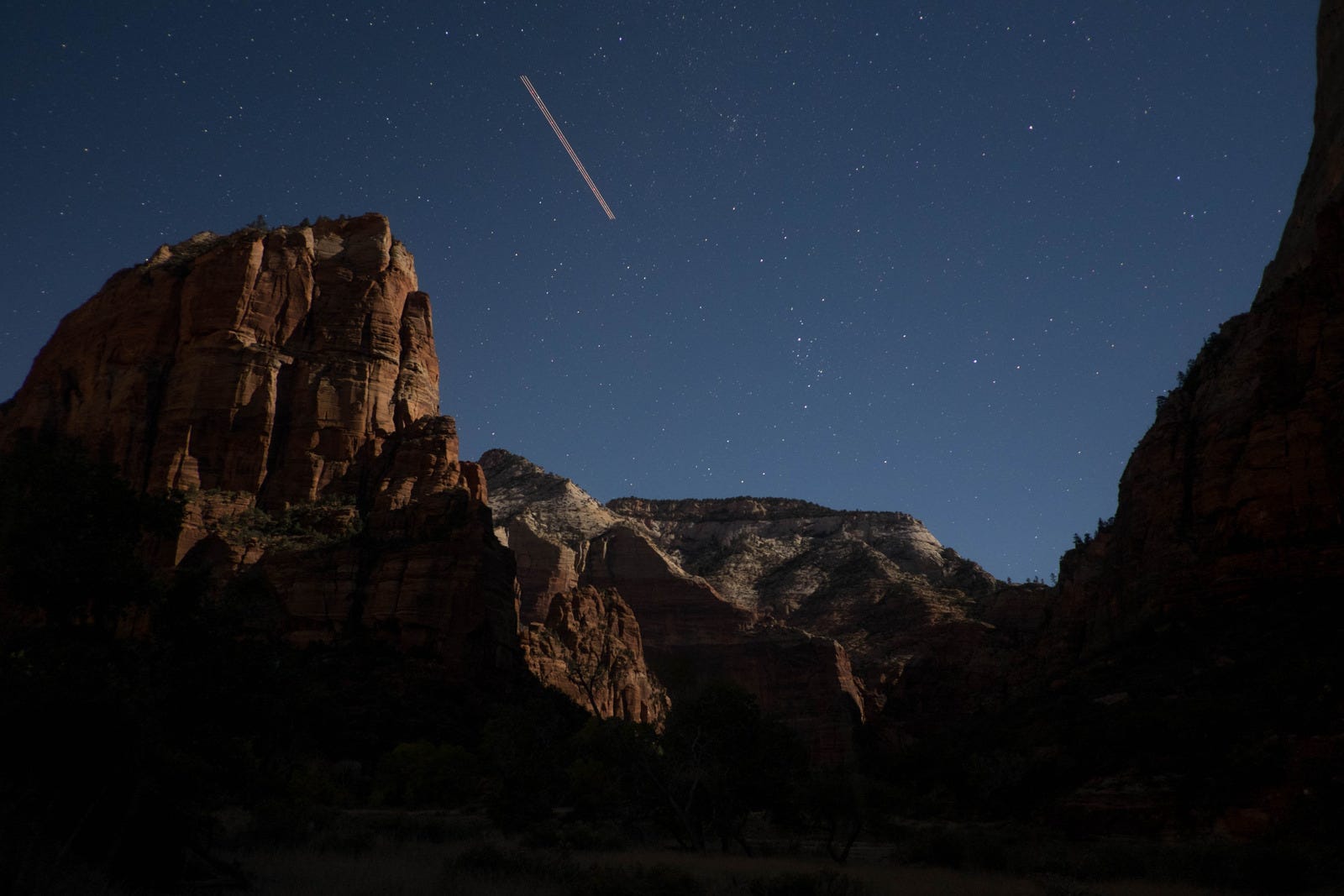
There is a map I navigate by in the studio, and it is made of stars.
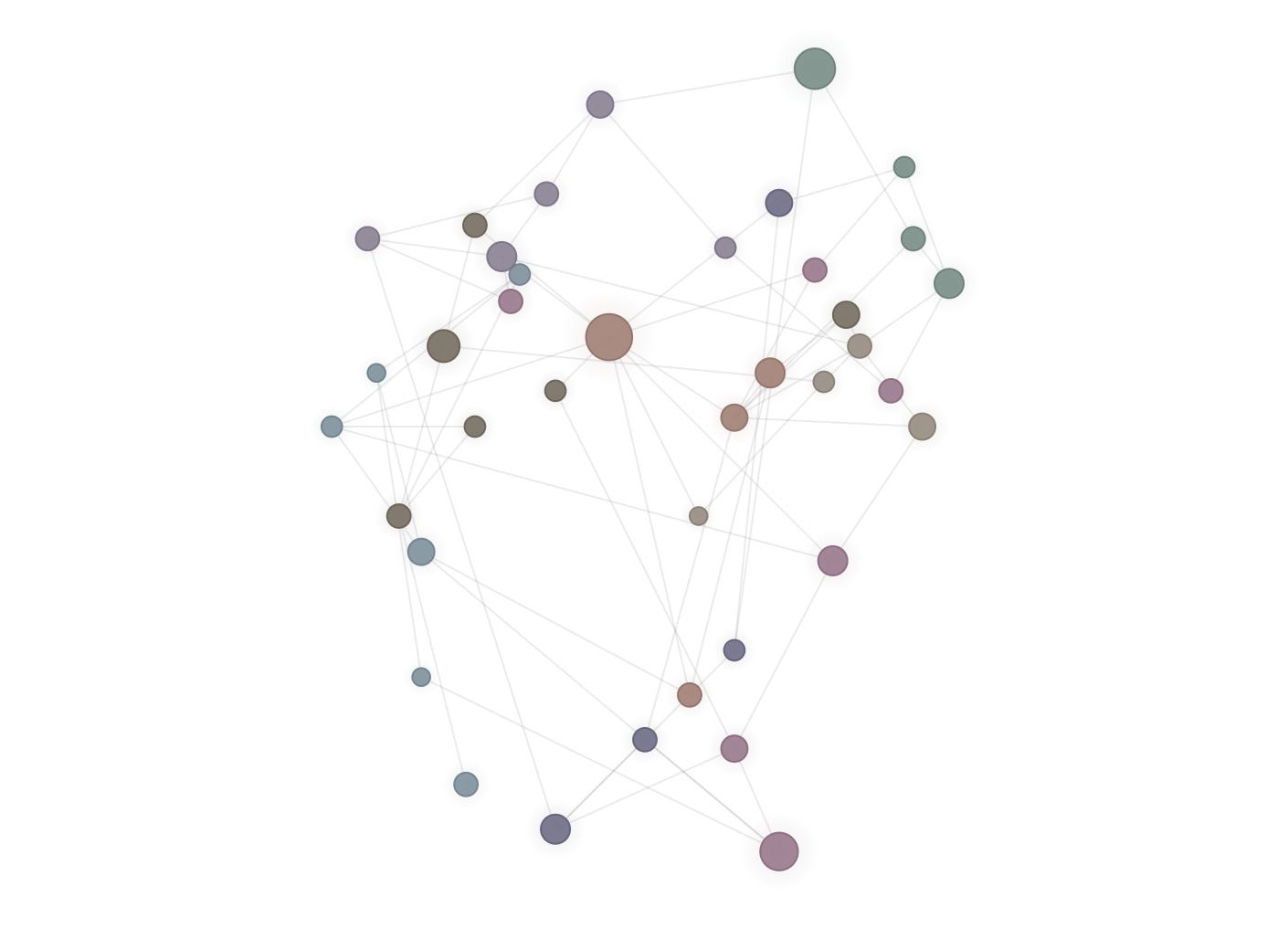
Real ones: points of light in three-dimensional space that you can drag through with your hands, rotate, and zoom into until a single star fills the screen and offers you its name, its bibliography, and what it knows. Eight constellations. No hierarchy among them — they occupy the same sky, pulling on each other the way all gravity does, invisibly, across distance.
The stars have names like rupture, the dark night, lo cotidiano, flow. Their anchors are in neuroscience, liberation theology, queer mysticism, the somatic traditions. They cluster around questions the body holds before language arrives: what does sustained attention do to the inner world? What becomes possible in the studio when the making is allowed to be imperfect? What does it mean to find the sacred in the ordinary body — the one that has been told it is the wrong kind?
The poem I built the chart around ends: The asking is the thing. Not the answer.
I have been asking for fifty-six weeks of studio practice. The chart keeps the questions open. What it offers is orientation — a way of knowing where I am in the dark, which is a different thing from knowing where I am going.
Video description: A night video looking up into a deep blue-black sky scattered with stars. A large tree fills the right half of the frame, its trunk massive and pale-barked, its canopy dense with autumn leaves in deep amber and gold — lit from below, warm against the cold dark. Smaller trees in the same autumn colour line the left edge. The stars are visible through the bare upper branches. The light source is unseen; it illuminates the leaves from beneath as if the tree is generating its own warmth.